As large industrial water-use developments spread across the country, local leaders face a hard question: how do you support growth without putting long-term water resilience at risk?
In Morgan County, Indiana, that question came into focus when a proposed data center raised new concerns about water demand. Rather than starting from scratch, county leaders turned to the groundwater monitoring network they'd already built with their consulting firm, INTERA, using Wellntel technology as the foundation for a countywide scientific framework to understand current conditions and prepare for future growth.
Regional studies had confirmed that centralIndiana holds substantial groundwater resources, but also flagged localized constraints — water availability wasn't unlimited, and future growth could create stress points. Morgan County decided that waiting for problems to emerge and reacting afterward wasn't good enough; it needed real visibility into its water systems and better tools to guide decisions.
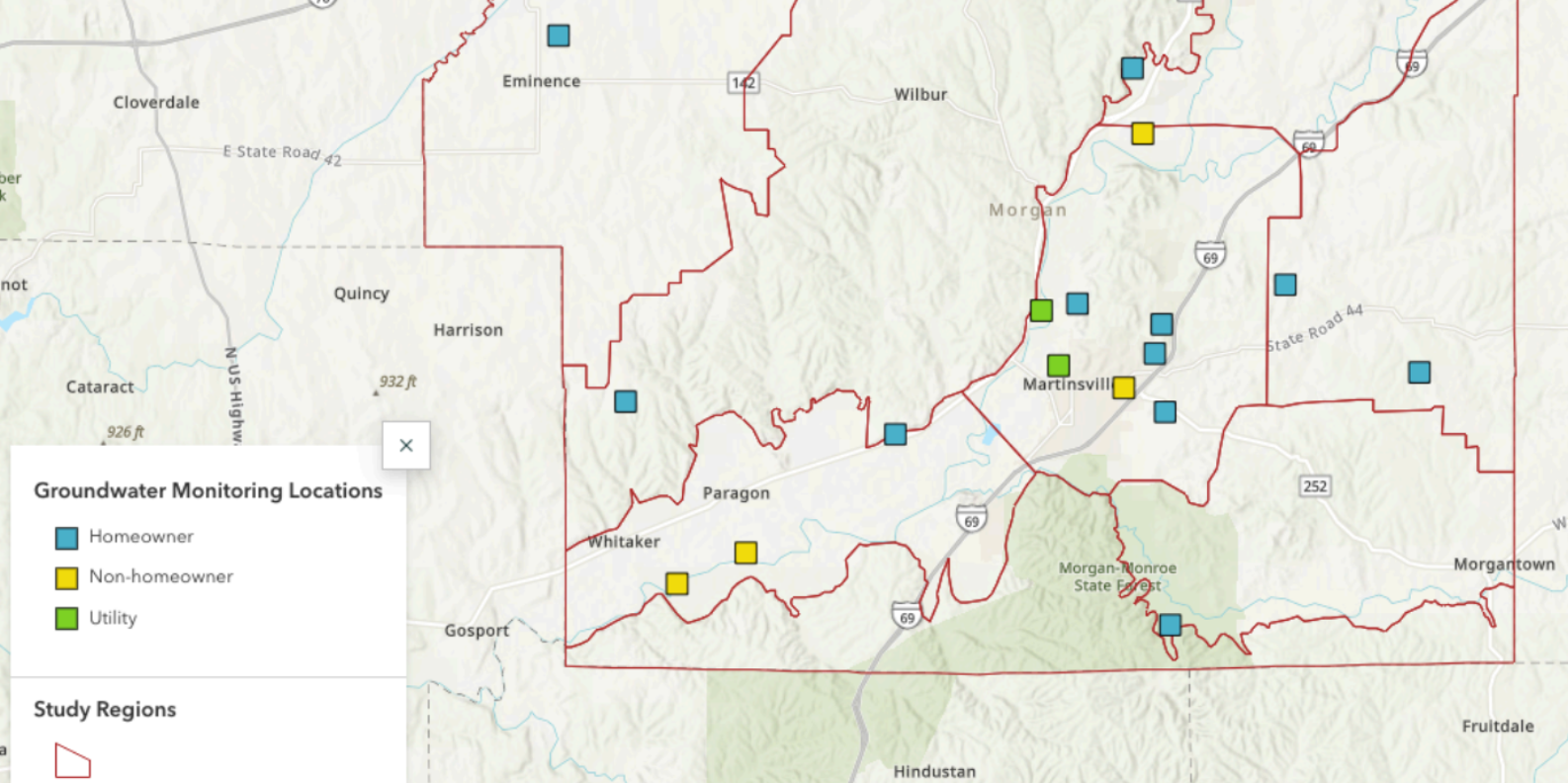
Beginning in 2021, INTERA built a countywide groundwater monitoring system with Morgan County, combining monitoring wells, real-time data collection, homeowner well participation, annual reporting, public dashboards, and long-term planning recommendations.
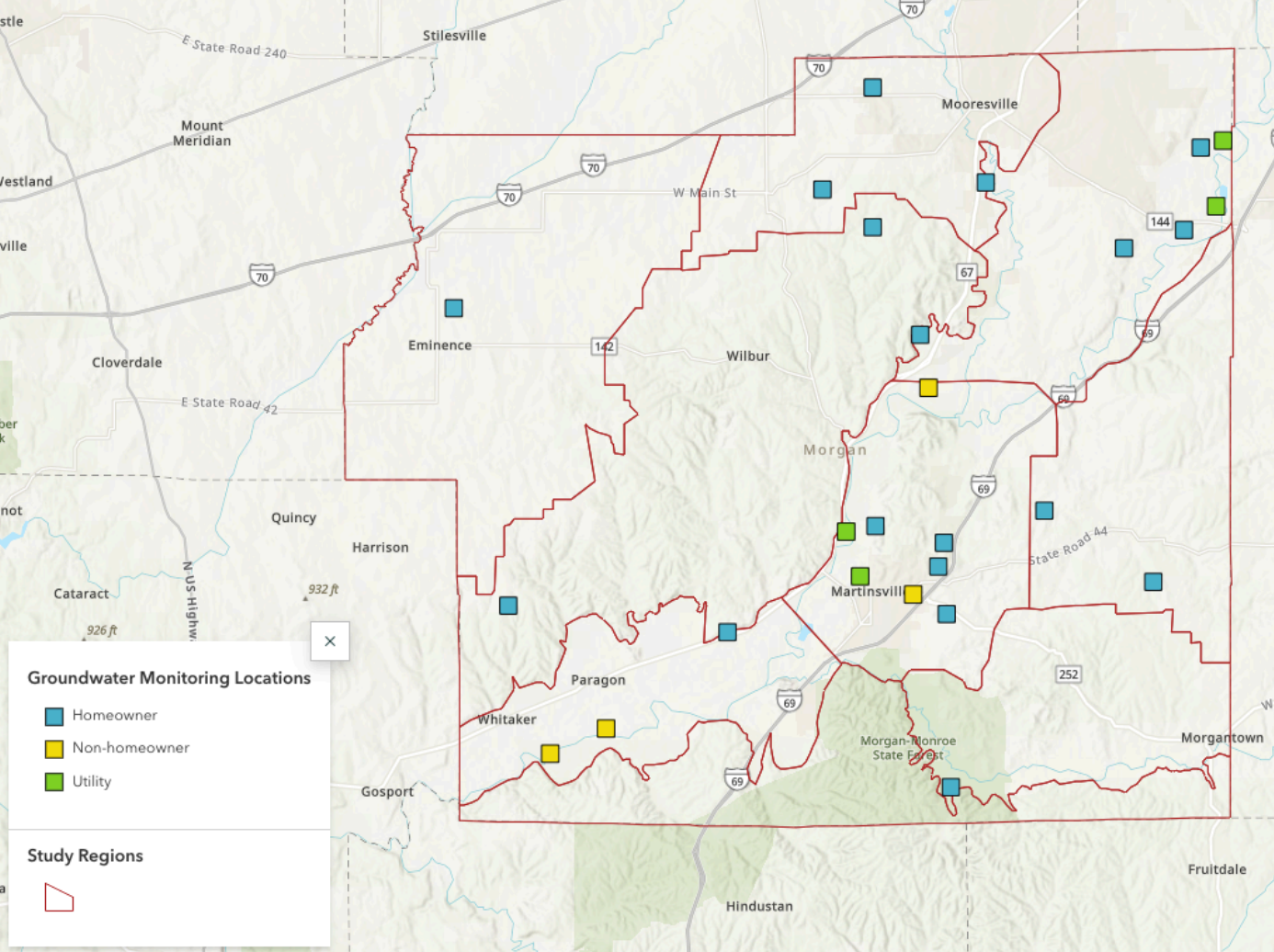
Rather than drilling all new monitoring wells, INTERA incorporated existing homeowner and utility wells using Wellntel's Water Management System (WMS) — retrofitted onto existing infrastructure to build a fuller picture of groundwater conditions while minimizing cost.
As questions evolved, targeted modeling helped determine future supply capacity and how large water users could be accommodated.
The approach proved that meaningful groundwater intelligence doesn't require major capital investment or years of delay — useful data can start flowing quickly using existing assets, building ahistorical record that grows more valuable over time.
An added benefit: participating homeowners became genuinely engaged with their own groundwater data, turning a monitoring project into a countywide network of informed stakeholders.
When a local utility was approached about supplying significant additional water for a data center, Morgan County wasn't caught in scramble mode. Officials already had baseline data, monitoring infrastructure, technical analysis, and a framework for public discussion. That let leaders evaluate the proposal on the merits, with evidence, instead of defaulting to automatic approval or automatic resistance.
The real benefit wasn't just more data - it was understanding. Data made a complex groundwater system easier to see, explain, and discuss publicly, turning uncertainty into something people could act on.
Public concern about data centers often centers on water use. In Morgan County, monitoring data became a communication tool as much as a technical one. County leaders gained the data and the vocabulary to engage the public directly, rather than relying solely on consultants —and the result was greater confidence for officials, utilities, and residents alike.
"The study made me sound smart when talking about our water resources."
— Morgan County Commissioner
Morgan County's experience reflects a growing opportunity in water management: from reactive decision-making to proactive planning, with baselines established before growth pressures arrive. That requires monitoring solutions that scale quickly, work within existing infrastructure, and deliver real-time visibility without major capital outlay - which is exactly where Wellntel changed the equation for Morgan County.
Groundwater records only grow more valuable over time: long-term data reveals trends, builds context, and strengthens every decision made against it. Morgan County didn't scramble when a large water user appeared, because it had already built the infrastructure - and the institutional knowledge - to respond with confidence.
For communities, utilities, and data centers preparing for growth, the lesson is simple: you don't need decades of historical records to start creating value. You just need to start.
“Now they feel like they have the structure and the data to answer questions and talk to the public about it.”
- Oliver Wittman, Senior Hydrogeologist, INTERA


